Questions About You Must Know the Answers To
Creating Custom Sheet Metal Enclosures for Your Project
When it comes to protecting your valuable equipment and electronics, sheet metal enclosures are a popular choice. These enclosures are durable, customizable, and provide excellent protection against environmental factors like dust, water, and electromagnetic interference. If you are considering using sheet metal enclosures for your project, here is everything you need to know.
Benefits of Sheet Metal Enclosures
Sheet metal enclosures offer a wide range of benefits that make them an ideal choice for a variety of applications. Some of the key advantages of using sheet metal enclosures include:
1. Durability: Sheet metal enclosures are made from strong and sturdy materials like steel or aluminum, making them highly durable and long-lasting.
2. Customizability: Sheet metal can be easily customized to fit the specific requirements of your project, including size, shape, and design.
3. Protection: Sheet metal enclosures provide excellent protection against external factors such as dust, water, and electromagnetic interference, ensuring the safety and integrity of your equipment.
4. Thermal Management: Sheet metal enclosures can be designed to include features like ventilation and heat sinks for effective thermal management, keeping your electronics cool and functioning properly.
Designing Your Sheet Metal Enclosure
When designing a custom sheet metal enclosure, there are several factors to consider to ensure the final product meets your specific needs. Here are some important considerations to keep in mind:
1. Functionality: Determine the primary function of the enclosure and the specific requirements it needs to meet. Consider factors like size, shape, mounting options, and access points for maintenance and repairs.
2. Material Selection: Choose the right material for your sheet metal enclosure based on your project requirements. Steel is a popular choice for its strength and durability, while aluminum is lightweight and corrosion-resistant.
3. Finishes and Coatings: Consider adding finishes and coatings to your sheet metal enclosure to enhance its appearance and provide additional protection against corrosion, scratches, and wear.
4. Custom Features: Work with a skilled sheet metal fabricator to incorporate custom features such as cutouts, hinges, latches, and gaskets to meet your specific needs.
Working with a Sheet Metal Fabricator
Once you have a clear idea of your sheet metal enclosure requirements, it’s time to partner with a reputable sheet metal fabricator to bring your design to life. Here are some key steps in the fabrication process:
1. Consultation: Meet with the fabricator to discuss your project requirements, budget, and timeline. Provide detailed drawings or specifications to ensure the final product meets your expectations.
2. Prototyping: The fabricator will create a prototype of the sheet metal enclosure for your approval before moving forward with production. This step allows you to make any necessary adjustments or modifications to the design.
3. Fabrication: Once the prototype is approved, the fabricator will begin the fabrication process, cutting, bending, welding, and finishing the sheet metal to create your custom enclosure.
4. Quality Control: The fabricator will perform quality control checks throughout the fabrication process to ensure the final product meets industry standards and your specific requirements.
In conclusion, sheet metal enclosures offer a range of benefits for protecting your equipment and electronics, and with careful design and fabrication, you can create a custom enclosure that meets your unique needs. By working with a skilled sheet metal fabricator, you can ensure a high-quality and durable enclosure that provides the necessary protection for your valuable assets.
Related Post
6 Lessons Learned:6 Lessons Learned:

Are you ready to breathe new life into your backyard oasis? Pool remodeling is a fantastic way to enhance your outdoor living space, elevate the aesthetics of your property, and improve the functionality of your pool. Whether you’re looking to modernize an outdated design or simply make necessary repairs, remodeling your pool can provide countless benefits that make it worth the investment.
One of the first steps in a successful pool remodeling project is to assess your current pool and the surrounding area. Take an honest look at what isn’t working for you. Are there cracks in the plaster? Does the pool lack features like lighting or waterfalls? Do you want a more contemporary filter system or energy-efficient heating? Addressing these issues during your remodeling will not only rejuvenate the pool itself but can also lead to improved energy efficiency and lower maintenance costs.
When planning your remodel, consider incorporating modern trends into your design. Features such as natural stone finishes, LED lighting, swim-up bars, and integrated spas are becoming increasingly popular. Moreover, adding landscaping elements, such as lush greenery or decorative stones, can create a serene environment that enhances the enjoyment of your pool. Don’t forget about safety features as well; incorporating a pool cover, non-slip surfaces, and proper fencing can ensure peace of mind for you and your family.
Lastly, hiring the right professionals is essential for a successful pool remodel. Look for experienced contractors who specialize in pool renovations and have a solid portfolio of past work. Seek referrals and read reviews to find reliable partners who can help you navigate the complexities of the remodeling process. Proper planning, budgeting, and communication with your contractor will ensure that the end result not only meets your expectations but also transforms your space into a personal paradise.
In conclusion, pool remodeling is a valuable investment that can enhance your home’s beauty, functionality, and value. By carefully planning your renovation, incorporating modern features, and selecting the right professionals to assist you, you can create an inviting and luxurious pool area that your family and friends will enjoy for years to come. Now is the perfect time to turn your vision into reality and transform your backyard into the ultimate oasis.
– My Most Valuable Advice– My Most Valuable Advice
Picking the Right Roofer: What You Required to Know
When it involves maintaining your home, your roofing plays an important duty in safeguarding you from the components. Ensuring that your roofing remains in good problem is vital, and when it comes time for repair services or a full substitute, working with the right roofer is of utmost value. With many alternatives readily available, it can be a difficult job to select an expert that will certainly meet your requirements and deliver quality craftsmanship.
One of the very first steps in choosing a professional roofer is to conduct detailed research. Start by asking for suggestions from pals, household, or next-door neighbors that have just recently had roof work done. Online evaluations and testimonials can likewise be important in providing insight right into the professional’s credibility. Seek contractors that are certified and insured, as this secures you from any responsibility in case of mishaps or damages throughout the task.
When you have a shortlist of potential contractors, it’s time to perform interviews and obtain quotes. Ask certain questions regarding their experience, the materials they use, and their technique to tasks. A dependable specialist must agree to walk you via their process and provide transparent information concerning costs. It’s wise to collect multiple quotes to compare prices and services, however remember, the least expensive option isn’t constantly the most effective. Quality handiwork and products can conserve you money over time.
Do not forget to request referrals and examples of their previous work. A reputable roofer ought to have a portfolio of completed tasks and can provide you with get in touch with details for previous clients. This permits you to evaluate their dependability, expertise, and the quality of their job. Furthermore, make sure that the professional uses a warranty on their services and products, as this can shield you from possible problems in the future.
To conclude, selecting the right roofing contractor is an important action in guaranteeing the durability and resilience of your home’s roof. By conducting comprehensive research study, asking the appropriate questions, and reviewing past jobs, you can find a contractor that lines up with your needs and budget. Making the effort to make an informed choice will certainly settle over time, offering satisfaction and a safe and secure sanctuary for several years ahead.
Finding Similarities Between and LifeFinding Similarities Between and Life
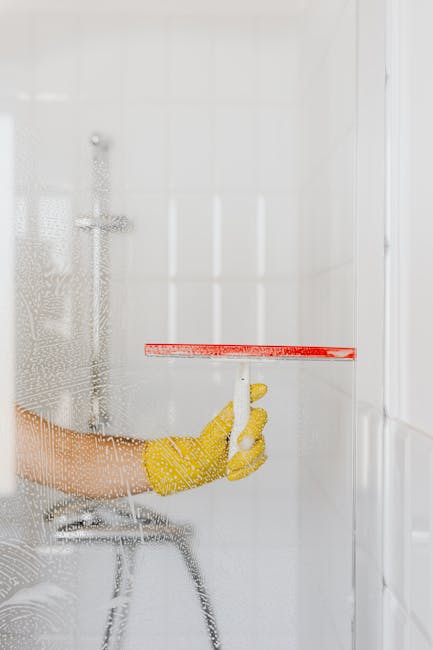 Expert Commercial Cleaning Solutions: Why They Matter
In today’s busy organization setting, sanitation is more vital than ever. A specialist business cleaning company can make a significant distinction in preserving a clean and sanitary work environment. Beyond simply visual appeals, a clean workplace can improve worker spirits, promote health, and even boost productivity. With a series of benefits, using a specialist cleaning service is a financial investment that can pay off in several means.
One of the main benefits of employing a commercial cleaning service is their know-how and specialized knowledge. Expert cleaners are trained to make use of the best methods and devices tailored to different environments. This makes certain that every corner of a workplace– from high-touch surface areas to carpetings– is extensively cleansed and sterilized. Furthermore, commercial cleansing companies often remain updated with market requirements and health and wellness policies, which is especially important in today’s health-conscious globe.
Along with their expertise, specialist cleaning services can additionally provide tailored cleaning plans that suit details service requirements. Whether it’s daily, regular, or monthly cleaning schedules, these solutions can customize their offerings based on the size of your work space, the nature of your company, and your spending plan. This flexibility makes sure that your service continues to be clean without interfering with day-to-day operations, enabling workers to concentrate on their job as opposed to stressing over tidiness.
An additional compelling factor to purchase a specialist commercial cleaning service is the effect it has on worker health and wellness. A tidy office reduces the danger of disease, bring about less ill days and a much more efficient labor force. Specialist cleansers use efficient cleanliness approaches that remove germs and irritants, creating a much healthier setting for every person. In turn, this not only improves employee well-being yet can additionally improve your company’s credibility, making it extra eye-catching to prospective employees and clients alike.
In conclusion, a specialist industrial cleaning company is not merely a deluxe however a necessity for organizations aiming to develop a clean, risk-free, and effective work environment. By leveraging the know-how of experienced experts, tailoring cleansing plans to fit particular demands, and advertising a healthy environment, services can reap the various benefits that originate from maintaining cleanliness. Purchasing these solutions today can result in a brighter and even more successful future for any business.