5 Key Takeaways on the Road to Dominating
 Industrial Cooling and Ventilation Systems: A Crucial Component of Ohio’s Industrial Landscape
Industrial cooling and ventilation systems play a vital role in maintaining a safe and healthy working environment for employees in Ohio’s industrial sector. As the state’s economy continues to grow, the demand for efficient and effective industrial cooling and ventilation systems has never been higher. In this article, we will explore the importance of industrial cooling and ventilation systems, the benefits they provide, and the various types of systems available to Ohio’s industrial facilities.
Industrial cooling and ventilation systems are designed to remove heat, humidity, and airborne contaminants from industrial facilities. These systems are essential for maintaining a comfortable working environment, reducing the risk of heat-related illnesses, and preventing equipment damage. In Ohio’s industrial sector, where temperatures can soar during the summer months, industrial cooling and ventilation systems are particularly crucial.
One of the primary benefits of industrial cooling and ventilation systems is improved air quality. These systems remove airborne contaminants, such as dust, fumes, and chemicals, which can pose serious health risks to employees. By providing a clean and healthy working environment, industrial cooling and ventilation systems help to reduce the risk of respiratory problems, skin irritation, and other health issues.
Industrial cooling and ventilation systems also play a critical role in maintaining equipment performance. Heat and humidity can cause equipment to malfunction or fail, leading to costly downtime and reduced productivity. By removing heat and humidity from industrial facilities, these systems help to extend the lifespan of equipment, reduce maintenance costs, and improve overall productivity.
In addition to improving air quality and equipment performance, industrial cooling and ventilation systems can also help to reduce energy costs. By providing a consistent and controlled temperature, these systems help to reduce the need for air conditioning and heating, which can lead to significant energy savings.
Ohio’s industrial facilities have a range of industrial cooling and ventilation system options available to them. Some of the most common types of systems include:
* Air conditioning systems: These systems use refrigeration to cool the air and provide a consistent temperature.
* Ventilation systems: These systems use fans and ductwork to remove heat and humidity from industrial facilities.
* Heat recovery systems: These systems use heat exchangers to recover heat from industrial processes and use it to warm or cool the facility.
* Dehumidification systems: These systems use desiccants or refrigeration to remove humidity from industrial facilities.
When selecting an industrial cooling and ventilation system, Ohio’s industrial facilities should consider several factors, including:
* The type of industry and the specific cooling and ventilation needs of the facility.
* The size and layout of the facility, including the location of equipment and personnel.
* The climate and weather patterns of the region, including extreme temperatures and humidity.
* The budget and cost-effectiveness of the system.
* The level of maintenance and upkeep required to ensure the system operates efficiently and effectively.
In conclusion, industrial cooling and ventilation systems are a crucial component of Ohio’s industrial landscape. These systems provide a safe and healthy working environment, improve air quality, maintain equipment performance, and reduce energy costs. By selecting the right industrial cooling and ventilation system for their facility, Ohio’s industrial facilities can ensure a productive and efficient work environment, while also reducing the risk of heat-related illnesses and equipment damage.
Related Post
The Essentials of – Getting to Point AThe Essentials of – Getting to Point A
The Evolution of Capital Approval Software: Streamlining the Decision-Making Process
In today’s fast-paced business environment, companies are constantly seeking ways to optimize their operations and make informed decisions quickly. One area where this is particularly crucial is in the capital approval process. Capital approval software has emerged as a game-changer in this regard, enabling organizations to streamline their decision-making process and make more effective use of their resources.
The traditional capital approval process was often a time-consuming and labor-intensive affair, involving multiple stakeholders, lengthy reports, and a significant amount of paperwork. This not only slowed down the decision-making process but also increased the risk of errors and miscommunication. However, with the advent of capital approval software, companies can now automate many of these tasks, reducing the time and effort required to approve capital projects.
So, what exactly is capital approval software, and how does it work? In simple terms, capital approval software is a specialized tool designed to facilitate the capital approval process by automating and streamlining the various stages involved. This includes tasks such as project proposal submission, review, and approval, as well as the tracking and monitoring of project progress.
One of the key benefits of capital approval software is its ability to provide a centralized platform for all stakeholders involved in the capital approval process. This includes project managers, finance teams, and senior executives, who can access the system from anywhere, at any time. This level of accessibility and transparency is particularly important in today’s digital age, where speed and agility are essential for business success.
Another significant advantage of capital approval software is its ability to automate many of the manual tasks involved in the capital approval process. This includes tasks such as data entry, report generation, and document management, which can be time-consuming and prone to errors. By automating these tasks, capital approval software can free up staff to focus on more strategic and value-added activities, such as project planning and execution.
In addition to its automation capabilities, capital approval software also provides a range of advanced analytics and reporting tools. These tools enable organizations to track and analyze project performance in real-time, identifying areas for improvement and optimizing resource allocation. This level of visibility and insight is essential for making informed decisions and achieving business objectives.
So, how can companies get the most out of their capital approval software? One key strategy is to integrate the system with other business applications and tools, such as enterprise resource planning (ERP) and customer relationship management (CRM) systems. This can help to create a seamless and integrated workflow, enabling organizations to streamline their operations and improve overall efficiency.
Another important consideration is the need for robust security and data protection measures. Capital approval software typically handles sensitive financial and business data, which must be protected from unauthorized access and cyber threats. Companies should therefore ensure that their chosen software provider has robust security protocols in place, including data encryption, firewalls, and access controls.
In conclusion, capital approval software has emerged as a critical tool for companies seeking to streamline their decision-making process and optimize their operations. By automating and streamlining the capital approval process, organizations can reduce costs, improve efficiency, and make more effective use of their resources. As the business landscape continues to evolve, it is likely that capital approval software will play an increasingly important role in helping companies achieve their goals and stay ahead of the competition.
What Has Changed Recently With ?What Has Changed Recently With ?
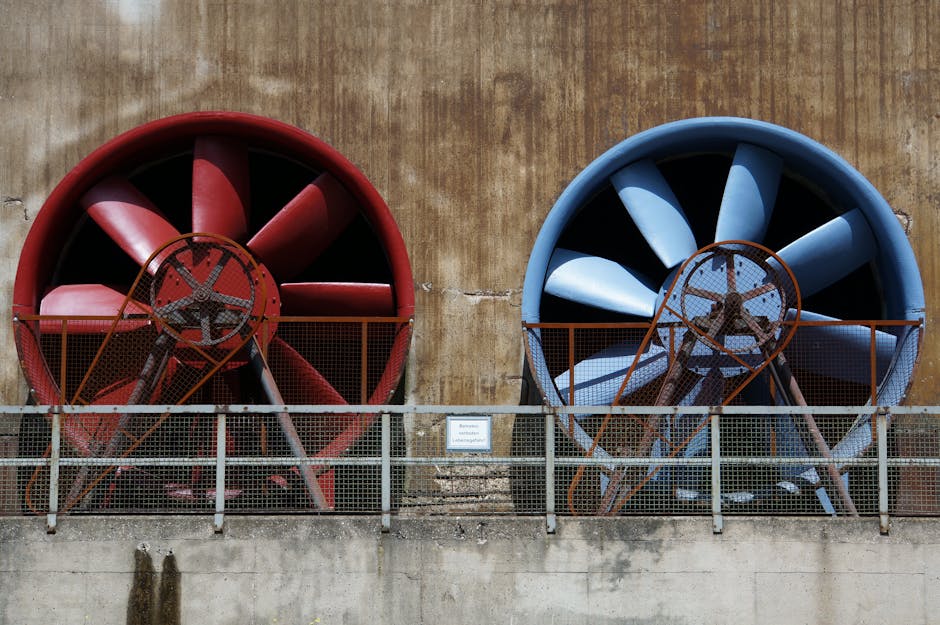 Why Hire a Business Exhaust Fan Cleaning Specialist?
In the bustling world of commercial kitchens and industrial atmospheres, keeping a tidy and efficient exhaust system is essential for both safety and security and functional performance. While regular cleansing could feel like a simple task, it usually calls for customized understanding and skills that just experts possess. This is where the knowledge of industrial exhaust follower cleansing experts enters play. They not just assist keep your kitchen compliant with health codes but additionally improve the durability and efficiency of your exhaust systems.
One of the main factors to hire an industrial exhaust follower cleaning professional is to make sure safety. A clean exhaust system considerably reduces the threat of fire dangers, which is especially essential in environments that include cooking oils and oils. These substances can collect in time, producing a very flammable environment. Professionals furnished with the right devices and strategies can completely cleanse and get rid of these hazardous products, thus minimizing fire threats and advertising a safer working area.
Additionally, working with a specialist can bring about improved air quality in your facility. Exhaust fans play a crucial function in eliminating smoke, smells, and air-borne impurities from kitchen areas and enterprise zones. When overlooked, these systems can become blocked and inadequate, leading to inadequate air blood circulation and an unpleasant workplace. A specialist cleaning service can recover your exhaust system to ideal functioning condition, improving the general air top quality and offering a much more pleasurable ambience for both staff and consumers.
Additionally, making use of the services of an industrial exhaust follower cleaning expert can save services money in the long run. Regular upkeep and cleansing can prolong the life of your exhaust system, preventing costly fixings and substitutes down the line. Moreover, a well-kept exhaust system runs extra efficiently, which can lead to lower energy prices. In a competitive industrial ambience, every penny counts, and buying professional cleaning company is a positive method to maximizing your company’s productivity.
To conclude, working with a commercial exhaust fan cleaning specialist supplies a wide variety of advantages that prolong past simply cleanliness. From enhancing safety and air quality to conserving money on functional expenses, their proficiency plays an important duty in maintaining a successful commercial environment. Therefore, it is sensible for business owners to focus on expert cleaning services as part of their routine upkeep timetables, ensuring their facilities run smoothly and securely for several years ahead.
The Best Advice About I’ve Ever WrittenThe Best Advice About I’ve Ever Written
The Benefits of Hiring a Professional Cleaning Service
Keeping your home or office clean and organized is essential for creating a healthy and pleasant environment. While many people try to tackle cleaning tasks on their own, there are significant benefits to hiring a professional cleaning service to take care of these responsibilities for you. Professional cleaners have the experience, expertise, and tools to efficiently clean and maintain your space, allowing you to focus on other priorities in your life.
One of the primary benefits of hiring a professional cleaning service is the time and energy it saves you. Cleaning can be a time-consuming and physically demanding task, especially if you have a large space or busy schedule. By outsourcing this responsibility to a professional cleaner, you free up valuable time that you can spend with your family, focus on work, or pursue your hobbies and interests.
In addition to saving time, professional cleaners can also provide a higher level of cleanliness and hygiene in your space. They have access to commercial-grade cleaning products and equipment that are more effective at removing dirt, dust, and germs compared to the products available to the average consumer. This results in a cleaner and healthier environment for you, your family, or your employees.
Furthermore, hiring a professional cleaning service can lead to cost savings in the long run. Regular cleaning and maintenance by professionals can help prolong the life of your furniture, flooring, and other surfaces in your home or office. By preventing the buildup of dirt, dust, and grime, you reduce the risk of damage that can be expensive to repair or replace.
Overall, investing in a professional cleaning service is a smart decision for those who want to maintain a clean, organized, and healthy living or working environment without the hassle and stress of doing it themselves. Whether you need regular cleaning or occasional deep cleaning, a professional cleaning service can tailor their services to meet your specific needs and schedule, making it a convenient and efficient solution for all your cleaning requirements.