Why People Think Are A Good Idea
Finding the Right Private Assisted Living in Denver, CO: A Comprehensive Guide
1. Understanding the Need for Private Assisted Living
As you or your loved one grows older, daily tasks may become increasingly challenging. Simple activities like bathing, dressing, and cooking may require assistance, and living independently may no longer be a viable option. This is where private assisted living comes in – a type of senior care that provides support with daily living activities while still allowing for independence and autonomy. In Denver, CO, there are numerous private assisted living facilities to choose from, each offering a unique set of services and amenities.
2. Defining Private Assisted Living
Private assisted living facilities are designed for seniors who require some level of assistance with daily living activities, but do not need the intensive medical care provided in a nursing home. These facilities typically offer a range of services, including assistance with bathing, dressing, and grooming, as well as medication management, meal preparation, and transportation. Private assisted living facilities often have a more home-like atmosphere, with private living spaces and communal areas for socializing.
3. Benefits of Private Assisted Living in Denver, CO
Denver, CO, is a popular destination for seniors, thanks to its mild climate, outdoor recreational opportunities, and vibrant cultural scene. Private assisted living facilities in Denver offer a range of benefits, including:
* Access to quality healthcare: Denver is home to several top-ranked hospitals and medical centers, ensuring that seniors have access to quality healthcare when needed.
* Abundant outdoor activities: Denver’s proximity to the Rocky Mountains and numerous parks and trails make it an ideal location for seniors who enjoy outdoor activities.
* Cultural attractions: Denver is home to a thriving arts and cultural scene, with numerous museums, galleries, and performance venues.
4. Services and Amenities to Expect
When searching for a private assisted living facility in Denver, CO, you can expect to find a range of services and amenities, including:
* Assistance with daily living activities, such as bathing, dressing, and grooming
* Medication management and monitoring
* Meal preparation and dining services
* Transportation to appointments and social events
* Housekeeping and laundry services
* Social activities and events, such as art classes, exercise programs, and movie nights
* On-site amenities, such as fitness centers, libraries, and beauty salons
5. Factors to Consider When Choosing a Private Assisted Living Facility
When selecting a private assisted living facility in Denver, CO, there are several factors to consider, including:
* Level of care: Does the facility provide the level of care and support you or your loved one requires?
* Cost: What is the monthly cost of care, and are there any additional fees for services or amenities?
* Location: Is the facility located in a safe and convenient area, with access to shopping, dining, and entertainment?
* Staff qualifications: What is the staff-to-resident ratio, and what are the qualifications and experience of the staff?
* Amenities: What amenities are included, and are they tailored to your or your loved one’s interests and needs?
6. Paying for Private Assisted Living in Denver, CO
The cost of private assisted living in Denver, CO, can vary widely, depending on the facility, services, and amenities. On average, the monthly cost of private assisted living in Denver ranges from $2,000 to $5,000. There are several ways to pay for private assisted living, including:
* Private pay: Using personal funds to pay for care and services
* Long-term care insurance: Using insurance policies specifically designed to cover long-term care expenses
* Veterans’ benefits: Eligible veterans may be able to access benefits to help cover the cost of care
* Medicaid: In some cases, Medicaid may cover the cost of care in a private assisted living facility
7. Tips for Visiting Private Assisted Living Facilities
When visiting private assisted living facilities in Denver, CO, it’s essential to ask the right questions and observe the facility’s atmosphere and operations. Here are some tips to keep in mind:
* Ask about the facility’s philosophy and approach to care
* Observe the staff-to-resident ratio and the level of interaction between staff and residents
* Ask about the facility’s policies and procedures, including those related to medication management and emergency response
* Take note of the facility’s cleanliness, maintenance, and overall condition
* Ask about the facility’s activities and events, and how they cater to residents’ interests and needs
8. Making the Transition to Private Assisted Living
Making the transition to private assisted living can be a challenging and emotional experience, both for seniors and their families. Here are some tips to make the transition smoother:
* Start the conversation early: Discuss the need for private assisted living with your loved one early on, to avoid last-minute decisions and stress.
* Involve your loved one in the decision-making process: Encourage your loved one to participate in the selection process, to ensure their needs and preferences are met.
* Plan ahead: Research facilities, schedule tours, and make a plan for the transition, including logistics and financial arrangements.
* Seek support: Reach out to family, friends, and professionals for support and guidance throughout the transition process.
9. Conclusion
Finding the right private assisted living facility in Denver, CO, requires careful research, planning, and consideration. By understanding the benefits and services offered by private assisted living facilities, as well as the factors to consider when choosing a facility, you can make an informed decision that meets your or your loved one’s needs. Remember to ask the right questions, observe the facility’s atmosphere and operations, and plan ahead to ensure a smooth transition to private assisted living.
Related Post
A 10-Point Plan for (Without Being Overwhelmed)A 10-Point Plan for (Without Being Overwhelmed)
Comprehending the Duty of a General Professional in Construction Projects
In the world of construction, the term ‘general specialist’ shows up frequently, however many individuals are not sure of what this function truly entails. A basic service provider is essentially the orchestrator of a building and construction task, responsible for overseeing every little thing from preliminary planning to the final touches. They function as the main point of interaction between the client and all other events involved, such as subcontractors, providers, and inspectors. This post aims to give a more clear understanding of the general specialist’s duties, the benefits of employing one, and exactly how to pick the ideal professional for your project.
The duties of a basic contractor are vast and varied. They are tasked with managing the day-to-day operations of a work website, ensuring that every little thing runs smoothly and stays on timetable. This includes hiring and managing subcontractors, such as electricians, plumbings, and carpenters, to execute specialized tasks. Furthermore, they are in charge of sourcing products, keeping an eye on task timelines, and working within budget plan restraints. An experienced basic specialist not just coordinates sources yet also guarantees conformity with local building codes and regulations, which is essential for the safety and security and legitimacy of the building task.
Among the primary advantages of hiring a general contractor is the comfort it offers home owners and homeowner. By dealing with all facets of the task, a basic professional alleviates the tension of taking care of several subcontractors and distributors. This enables clients to focus on their vision while leaving the details in the hands of knowledgeable experts. Additionally, general service providers commonly have developed relationships with different tradespeople, which can lead to set you back savings and a smoother workflow. Their experience in the market additionally indicates they can foresee possible problems and minimize dangers prior to they escalate.
When it pertains to picking the best basic specialist for your task, there are a number of factors to think about. Begin by looking for recommendations from buddies or family members who have actually undergone similar projects. It’s likewise wise to research online evaluations and testimonials from previous customers. As soon as you have a shortlist, routine meetings to discuss your project in detail and gauge their proficiency and compatibility with your vision. Inquire about their licensing, insurance policy, and experience in dealing with jobs similar to your own to ensure they are gotten the job. A strong line of interaction is essential; your basic service provider ought to be someone you really feel comfortable expressing your concerns and ideas with throughout the period of the task.
To conclude, recognizing the duty of a general specialist can dramatically affect the success of your building and construction job. A professional contractor not only takes care of the logistics of the build yet also brings important know-how and resources to the table. By taking the time to pick the ideal specialist, you can make sure that your job is finished promptly, within budget, and to your satisfaction. Whether you’re building a brand-new home, remodeling an area, or embarking on a large business job, the function of a basic professional can not be overemphasized, making them an essential component of the building and construction landscape.
Smart Ideas: RevisitedSmart Ideas: Revisited
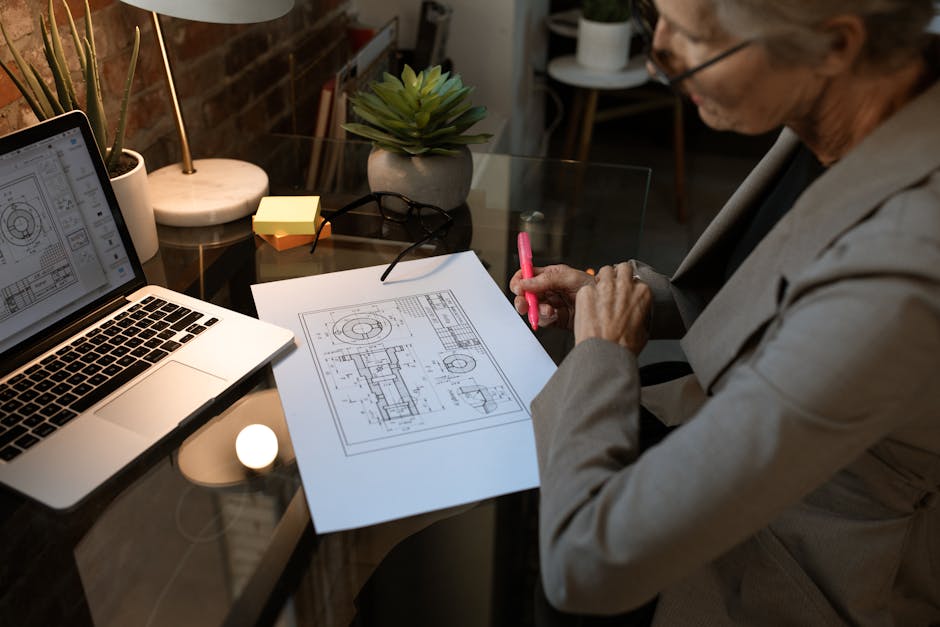 Checking out the Advantages of Architectural Drafting Services
Building preparing services play a crucial function in the building and design sector. These services include the production of in-depth architectural illustrations and strategies that function as blueprints for building jobs. Whether you are an architect, a contractor, or a house owner seeking to develop your desire home, understanding the worth of architectural drafting is important. In this article, we will check out the numerous benefits that feature working with professional architectural drafting solutions and just how they can assist guarantee the success of your tasks.
One of the primary benefits of making use of building preparing services is accuracy. Experts in this field are knowledgeable at creating specific illustrations that follow local building ordinance and policies. This interest to detail can dramatically decrease the possibility of errors throughout the building and construction process, which can be both costly and lengthy to fix. Additionally, accurate preparing permits better measurement and scaling of the layout, making sure that every facet of the job is carried out perfectly.
An additional substantial advantage is the time effectiveness that features making use of specialist composing solutions. Composing professionals recognize with various composing tools and software program that streamline the layout process. Consequently, they can generate top notch strategies much quicker than somebody that may be much less knowledgeable. This quick turnaround is particularly beneficial for designers and contractors that are functioning under limited target dates and require to offer their layouts to clients immediately.
Additionally, architectural preparing solutions boost the general aesthetic communication of a job. High-grade 2D and 3D makings help clients envision the final result, supplying a much more detailed understanding of the layout. This can cause even more enlightened choices and preferences, eventually bring about enhanced client complete satisfaction. The ability to present layouts via virtual walkthroughs and realistic discussions has changed how engineers and customers engage during the drawing board.
Finally, architectural composing solutions are a vital component of any kind of effective building or style job. With their concentrate on precision, time performance, and clarity in aesthetic communication, these services not just aid connect the gap between idea and fact but likewise promote a smooth workflow among all parties entailed. By investing in specialist drafting solutions, you can guarantee that your job is well-planned and carried out, ultimately causing a successful result that meets both your expectations and requirements.
6 Lessons Learned:6 Lessons Learned:

Are you ready to breathe new life into your backyard oasis? Pool remodeling is a fantastic way to enhance your outdoor living space, elevate the aesthetics of your property, and improve the functionality of your pool. Whether you’re looking to modernize an outdated design or simply make necessary repairs, remodeling your pool can provide countless benefits that make it worth the investment.
One of the first steps in a successful pool remodeling project is to assess your current pool and the surrounding area. Take an honest look at what isn’t working for you. Are there cracks in the plaster? Does the pool lack features like lighting or waterfalls? Do you want a more contemporary filter system or energy-efficient heating? Addressing these issues during your remodeling will not only rejuvenate the pool itself but can also lead to improved energy efficiency and lower maintenance costs.
When planning your remodel, consider incorporating modern trends into your design. Features such as natural stone finishes, LED lighting, swim-up bars, and integrated spas are becoming increasingly popular. Moreover, adding landscaping elements, such as lush greenery or decorative stones, can create a serene environment that enhances the enjoyment of your pool. Don’t forget about safety features as well; incorporating a pool cover, non-slip surfaces, and proper fencing can ensure peace of mind for you and your family.
Lastly, hiring the right professionals is essential for a successful pool remodel. Look for experienced contractors who specialize in pool renovations and have a solid portfolio of past work. Seek referrals and read reviews to find reliable partners who can help you navigate the complexities of the remodeling process. Proper planning, budgeting, and communication with your contractor will ensure that the end result not only meets your expectations but also transforms your space into a personal paradise.
In conclusion, pool remodeling is a valuable investment that can enhance your home’s beauty, functionality, and value. By carefully planning your renovation, incorporating modern features, and selecting the right professionals to assist you, you can create an inviting and luxurious pool area that your family and friends will enjoy for years to come. Now is the perfect time to turn your vision into reality and transform your backyard into the ultimate oasis.